Faith and Civic Responsibility
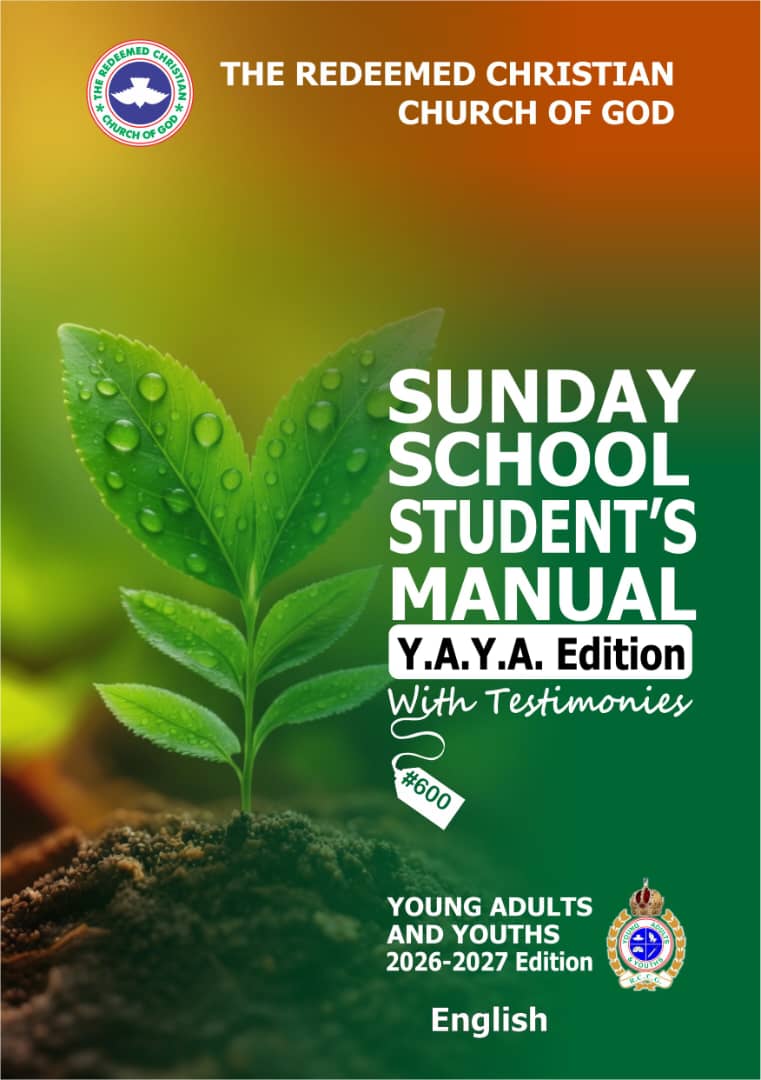
| Manual | RCCG YAYA Sunday School Student's Manual 2026-2027 |
|---|---|
| Lesson date |
-

-

-
x

-
telegram

-

Bible Passage: Romans 13:1–4
Memory Verse: “When the righteous are in authority, the people rejoice; But when a wicked man rules, the people groan.” — Proverbs 29:2 (NKJV)
INTRODUCTION
Political participation is not merely a civic duty; it is a spiritual responsibility. The Scripture teaches that government is ordained by God for order and justice (Romans 13:1–4). When believers withdraw from civic engagement, they unintentionally create space for injustice to thrive. In many nations, injustice is often marked by voter intimidation, vote buying, and even violence. When righteous voices go silent, unrighteous systems grow louder (Proverbs 29:2). This lesson explores the dangers of not participating and the practical ways believers can ensure their votes count, even in challenging environments.
OUTLINE
1. The Dangers of Not Participating
2. Ways To Make Your Vote Count
THE DANGERS OF NOT PARTICIPATING
Silence Empowers Corruption: When good people withdraw, corrupt people dominate the political process.
Fear Becomes a Master: Election-day violence is often designed to discourage participation. The Bible admonishes us to shun fear (2 Timothy 1:7). If fear keeps believers at home, intimidation wins and courageous participation weakens strategies.
We Neglect Our Salt and Light Calling: Salt preserves. Light exposes darkness (Matthew 5:13–14). Withdrawal allows moral decay in governance.
Bad Policies Affect the Church: Policies influence education, security, economy, and religious freedom. When believers disengage, they suffer the consequences of leaders they did not help choose. Jeremiah 29:7 commands believers to “seek the peace of the city.” This includes participating in how it is governed.
Future Generations Pay the Price: Our children inherit the political culture we tolerate (Proverbs 13:22a). Civic negligence today becomes systemic injustice tomorrow.
WAYS TO MAKE YOUR VOTE COUNT
Participation must go beyond casting a ballot; it must be intentional and wise.
1. Get Properly Registered and Verified: Many lose their votes due to incomplete registration or failure to verify voters’ details. Preparation prevents frustration (Proverbs 21:5).
2. Be Informed, Not Emotional: Avoid tribalism, ethnic bias, or religious manipulation. Study candidates’ track records, policies, and integrity (Proverbs 14:15).
3. Vote Early and Wisely: Arrive early to reduce exposure to possible unrest. Go in groups (where possible) for safety and encouragement (Ecclesiastes 4:9–10).
4. Reject Vote Buying: Selling votes strengthens corruption (Proverbs 17:23). Temporary financial gain often results in long-term national suffering.
5. Document and Report Irregularities: Use lawful channels to report misconduct. Technology and civil society observers have made it easy to monitor elections. Christians should support transparency, not chaos.
6. Pray and Act: 1 Timothy 2:1–2 commands prayers for leaders. But prayer must not replace action. Faith without works is dead (James 2:17). Pray for peaceful elections and show up.
7. Participate Beyond Election Day: Political participation includes community meetings, peaceful advocacy, policy engagement, and respectfully holding leaders accountable.
CONCLUSION
Political participation is not about party loyalty; it is about kingdom responsibility. In corrupt and violent systems, godly engagement becomes more necessary, not less.
QUESTIONS
Mention four dangers of believers’ non-participation in politics.
How can you ensure that your vote counts?
FURTHER READINGS
SUN: Matthew 5:15–16.
MON: Esther 6:10.
TUE: 1 Timothy 2:1–2.
WED: Esther 4:14.
THUR: Nehemiah 1:1–4.
FRI: Proverbs 3:5–6.
SAT: 1 Peter 4:10.
ASSIGNMENT
Taking a cue from the involvement of Joseph, Daniel and Esther in national leadership, do everything in your power to participate actively in the coming election in your Country. (No mark).
-
-
-
x
-
telegram
-
|
< LESSON
20 The Oracle of King Lemuel |